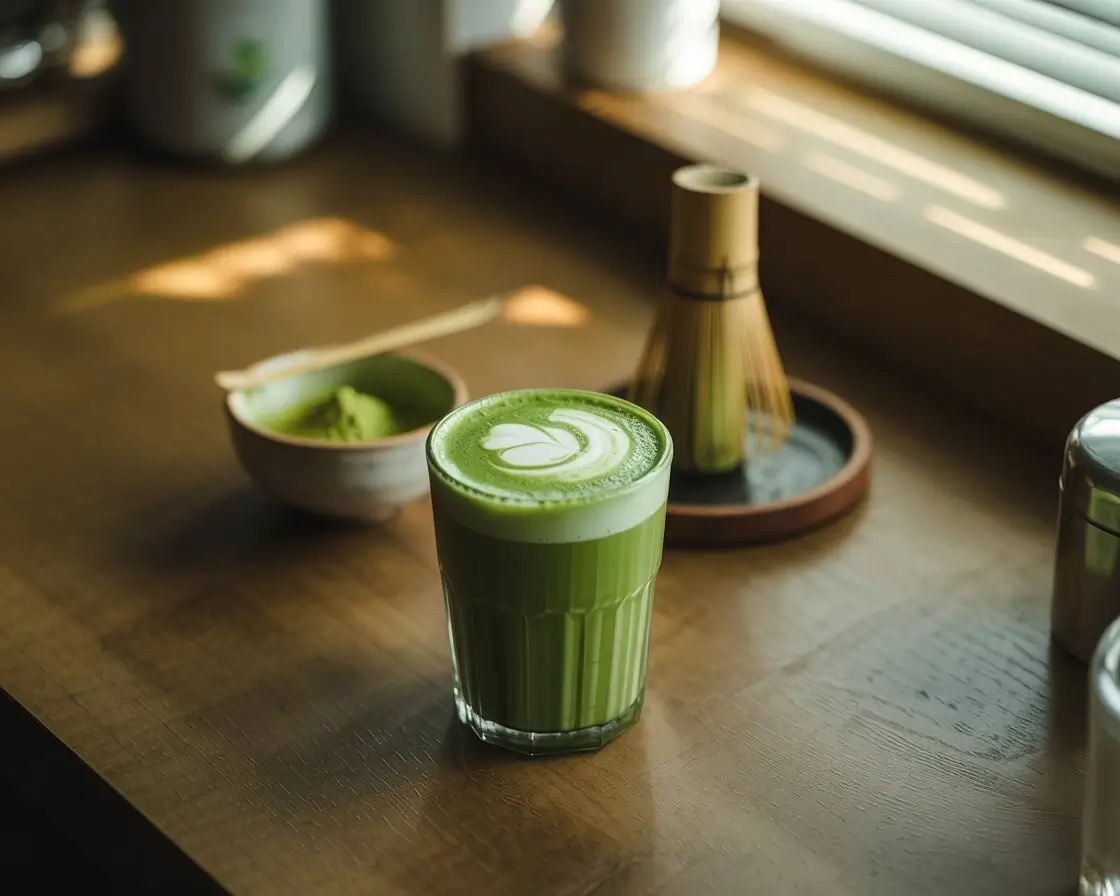
Matcha Latte vs. Coffee: Your Low-Caffeine Energy Boost
Are you caught in a cycle of coffee jitters and afternoon crashes? Many of us rely on that morning cup of joe to kickstart our day, but the intense caffeine hit can sometimes leave us feeling more frazzled than focused. If you're seeking a smoother, more sustained energy boost without the rollercoaster ride, it might be time to explore the vibrant world of matcha. This ancient green tea offers a unique blend of invigorating energy and calm focus, making the DIY Starbucks Matcha Latte: Copycat Recipe for Energy a compelling alternative to your daily coffee ritual.
For years, coffee has been the undisputed king of morning beverages, beloved for its dark, roasty goodness and powerful wake-up call. However, its high caffeine content can be a double-edged sword, leading to anxiety, digestive upset, and that notorious mid-afternoon slump. Enter matcha: a beautifully bright green tea that has captured the hearts of health enthusiasts and caffeine-sensitive individuals alike. More than just a pretty drink, a homemade matcha latte recipe provides a balanced energy surge, coupled with a wealth of antioxidants, making it a truly exceptional choice for restoring your vitality.
Unpacking Matcha: What Makes This Green Tea So Special?
While all teas boast health benefits, matcha stands in a league of its own. Unlike traditional green tea where leaves are steeped and then discarded, matcha involves consuming the entire tea leaf, meticulously ground into a fine, vibrant powder. This unique preparation method means you're ingesting a far more concentrated dose of nutrients, flavor, and natural caffeine. The result is a more intense experience, both in taste and nutritional profile, compared to a standard cup of steeped tea.
Originally from Japan, matcha's distinctive processing begins even before harvesting. Tea plants destined for matcha are shaded for several weeks before harvest. This shading boosts chlorophyll production, which gives matcha its brilliant green hue and enhances its amino acid content, particularly L-theanine. This amino acid is the secret behind matcha's renowned "calm alertness," tempering the effects of caffeine to prevent jitters and promote a focused, meditative state.
A matcha latte, at its heart, is a delightful blend of this powdered green tea with steamed milk, much like a traditional coffee latte substitutes espresso for matcha. The flavor profile is distinctively earthy and grassy, often described with notes of seaweed or even spinach for pure, unsweetened matcha. However, it's incredibly versatile, capable of being transformed into a creamy, lightly sweetened, island-inspired treat or a refreshing iced beverage, depending on your preference. The beauty of a homemade matcha latte recipe lies in its customizability, allowing you to tailor sweetness, milk choice, and flavorings to perfection.
Matcha vs. Coffee: The Energy Showdown
The core of the matcha vs. coffee debate boils down to how each beverage delivers energy and its overall impact on your body. While both offer a caffeine boost, their mechanisms and side effects are vastly different.
- Caffeine Content & Delivery: A typical cup of coffee contains significantly more caffeine (95-200 mg) than a serving of matcha (30-70 mg). However, it's not just about the quantity. Coffee's caffeine hits quickly, leading to a sharp peak in energy, often followed by an equally sharp crash. Matcha's caffeine release, thanks to L-theanine, is slower and more sustained. This means you experience a gentle, prolonged lift without the anxious jitters or sudden drop-off.
- Focus & Alertness: L-theanine in matcha promotes alpha brain waves, which are associated with a state of relaxed alertness and improved focus. This unique synergy between caffeine and L-theanine creates a productive, calm energy that many find superior for creative work, studying, or simply navigating a busy day without feeling overstimulated. Coffee, while effective for alertness, can sometimes lead to mental overactivity or a scattered feeling.
- Antioxidant Powerhouse: Matcha is packed with powerful antioxidants, particularly EGCG (epigallocatechin gallate), a catechin that has been extensively studied for its potential health benefits, including supporting metabolism and cellular health. Because you consume the entire tea leaf, matcha delivers a far greater concentration of these beneficial compounds than steeped green tea or coffee.
- Acidity and Digestion: For some, coffee's acidity can be a source of stomach upset or acid reflux. Matcha, being less acidic, is often gentler on the digestive system, making it a more comfortable option for those with sensitive stomachs.
- Overall Experience: While coffee offers a robust, sometimes intense, flavor and effect, matcha provides a more nuanced, earthy taste and a balanced, serene energy. It's a choice between a powerful jolt and a graceful lift.
Crafting Your Perfect Matcha Latte Recipe at Home
Embracing a homemade matcha latte recipe is surprisingly simple and allows for endless customization. Forget the pre-sweetened powders and sugary syrups; traditional matcha, like the kind now favored by major coffee chains, is pure and unadulterated, giving you complete control over your drink.
Essential Ingredients:
- High-Quality Matcha Powder: This is non-negotiable for a truly delicious latte. Look for ceremonial grade matcha, which is brighter green and has a smoother, less bitter taste. Culinary grade is acceptable for baking but can be too strong for lattes. Ensure it's finely sifted to prevent lumps.
- Hot Water: Just below boiling, around 175°F (80°C). Too hot, and it can burn the delicate matcha, leading to bitterness.
- Your Favorite Milk: Whether you prefer dairy milk for richness or a plant-based alternative like coconut, almond, or oat milk, the choice is yours. Coconut milk, as noted in the reference context, beautifully complements matcha's earthy notes, especially when paired with a touch of homemade coconut syrup.
- Sweetener (Optional): Syrups (vanilla, coconut, maple), honey, or your preferred sugar. Remember, with pure matcha, you dictate the sweetness.
Simple Steps for a Stellar Matcha Latte:
- Prepare the Matcha: In a small bowl, whisk 1-2 teaspoons of sifted matcha powder with 1-2 tablespoons of hot (not boiling) water until a smooth, bright green paste forms, free of any lumps. A bamboo whisk (chasen) is ideal for achieving a frothy consistency, but a small kitchen whisk or even a frother can work in a pinch.
- Heat Your Milk: Gently heat 1 cup of your chosen milk on the stovetop or using a milk frother until warm and frothy. Avoid boiling the milk.
- Combine & Sweeten: Pour the frothed milk into your mug. If using sweetener, add it now and stir gently to combine.
- Add Matcha: Slowly pour the prepared matcha paste over the frothed milk. For an aesthetically pleasing layered effect (especially for iced lattes), you can pour the matcha over the back of a spoon.
- Stir and Enjoy: Stir everything together until fully combined. Sip and savor your homemade, low-caffeine energy boost!
For even more creative ideas and to explore different flavor profiles, check out our guide on Customizable Matcha Latte: Sweetened, Unsweetened & Twists. Whether you crave an iced vanilla dream or a cozy spiced latte, the possibilities are truly endless.
Beyond the Basics: Tips for the Ultimate Matcha Experience
To truly elevate your matcha game, consider these tips:
- Sifting is Key: Don't skip sifting your matcha powder. It breaks up any clumps, ensuring a smooth, lump-free paste.
- Proper Whisking: Use a rapid "M" or "W" motion with your whisk to create a fine foam on top, which indicates a well-prepared matcha.
- Temperature Matters: As mentioned, water temperature is crucial. Too hot, and you'll extract bitterness. Too cool, and the matcha won't dissolve properly.
- Experiment with Milk: Each milk type offers a different texture and flavor pairing. Oat milk provides a creamy, neutral base, while coconut milk adds a tropical twist.
- Sweetener Savvy: Start with a small amount of sweetener and add more to taste. Pure matcha's natural bitterness can be balanced, but overwhelming it with sugar detracts from its unique character.
Whether you're a seasoned matcha lover or just curious to try a new kind of energy, preparing a matcha latte at home offers a rewarding experience. It's a chance to slow down, engage your senses, and enjoy a beverage that nourishes both body and mind.
Conclusion
In the "Matcha Latte vs. Coffee" debate, there's no single winner; it ultimately comes down to personal preference and what your body responds to best. However, if you're seeking an alternative to coffee's intense jolt – one that delivers sustained energy, calm focus, and a wealth of antioxidants – then matcha is an exceptional contender. Learning a basic matcha latte recipe opens up a world of delicious possibilities, empowering you to craft a personalized, low-caffeine energy boost right in your own kitchen. Give this vibrant green tea a try and discover the serene energy it can bring to your day.
